Swimming is one of the most effective exercises that are based on a full body and by having a swim tracker, it can be even more rewarding. Swim tracker allows you to track the main parameters, distance, laps, the number of strokes, pace, and calories burned, and provide meaningful information about your performance. Nevertheless, to obtain accurate and quality data, it must be set correctly, particularly when you use a swim tracker the first time.
A lot of beginner mistakes made in the set up are missing vital steps and this might result in wrong tracking and frustration. This guide is for beginners and will take them through the entire process of setting up their swim tracker correctly. These few steps will help you be prepared to keep track of your swims and get the best use of each time in the pool.
How to Set Up a Swim Tracker: Beginner’s Guide
Setting up a swim tracker is a necessary preparation to achieve the proper swim data. This guide covers every process in a simple way so that anyone who is a beginner can use their swim tracker without any fear or difficulty.
- Choose the Right Swim Tracker
You should ensure that your swim tracker fits before setting up. Certain trackers can be used in swimming in a pool only, but there are those that will support open-water swims. Ensure that the tool records laps, strokes and distance. Moreover, it should be waterproof and be able to support your smartphone. The correct tracker will assist you in getting data on swimming that is helpful and precise.
- Charge and Power On Your Device
You should always ensure that your swim tracker is fully charged. When the device is set up and when you are swimming, a full charge will make sure the device is effective. Charge it with the charging cable that comes with the manufacturer. After charging, turn on the device and ensure that the screen or indicator lights are functioning properly and then proceed to the next step.
- Install the Companion App
Most swim trackers require an app to store and show swim data. Locate and download the application in the Google Play Store. Sign up or log in when necessary. Install permissions (e.g., Bluetooth, location sharing) to enable the app to connect to your swim tracker.
- Pair the Swim Tracker with Your Phone
Turn on Bluetooth and follow the app’s instructions to connect the tracker. Hold the tracker near your phone in the process of pairing. After connection, the app must indicate successful connection. In case of failure in pairing, restarting of both devices is necessary and repeat the process again in order to have a stable connection.
- Enter Personal and Swimming Preferences
Enter the correct personal information which includes age, height, and weight in the app. This information is useful in determining the right calories and performance values. Also, preferred swimming characteristics such as length of the pool, units of measurement, and hand of preference. Right preferences enhance accuracy of tracking and offer superior swim insights.
- Wear the Tracker Correctly
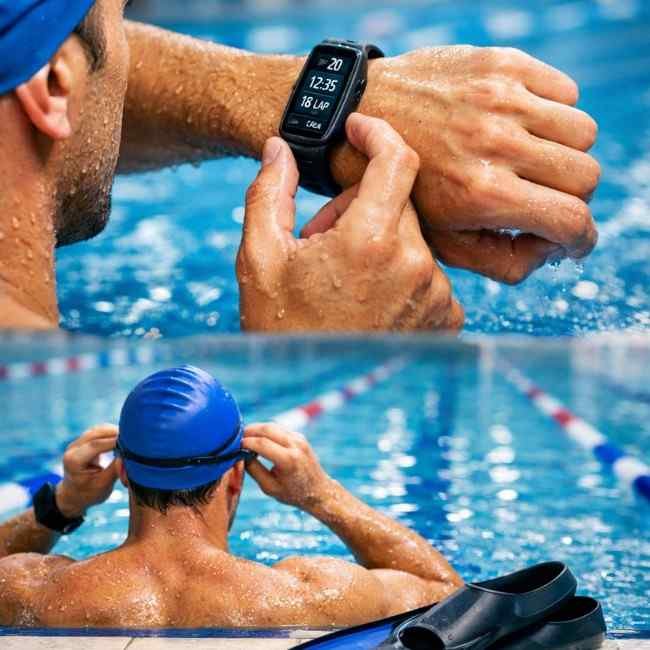
To use your swim tracker when swimming, put it tightly around your wrist to ensure it does not move. It must be tight, yet comfortable. Most manufacturers advise that more precision is achieved in using your non-dominant hand. Correct stroke detection and lap counting during swimming is achieved by proper positioning.
- Test the Tracker Before a Full Swim
A short test swim is important before starting a long swim session. Go through the laps and then connect the tracker with the application. See whether distance, laps and strokes are saved properly. In case it is necessary, change settings to prevent inaccurate data in the course of your entire swim.
The correct setting up of your swim tracker will ensure you monitor your progress and swim without fear. Now follow these steps and you are ready to have more intelligent, more productive swimming sessions.
How Swim Trackers Improve Your Performance
Swim trackers are used to gather useful information that can greatly improve your performance in swimming. Monitoring such important metrics as lap count, stroke rate, pace, and distance will help you define your strengths and weaknesses. Through this information, you are able to modify your technique, formulate particular objectives, and keep track of your progress on the way.
You could use the example of monitoring your stroke rate and realizing that it is slow, and then work on bringing it up to make it more efficient. Also, swim trackers are capable of keeping you motivated by providing you with attainable goals and showing you your consistency. In the long run, such a data-based strategy enables the swimmers to optimize their routine, overcome plateaus, and achieve additional personal bests, which will eventually translate into improved performance in the water.
Common Setup Mistakes to Avoid
Most first time users make minor errors during setting up of their swim tracker and this may affect precision in tracking. These are some of the mistakes that can be avoided, so that you can assist in obtaining accurate swim data and have an enjoyable swim experience during your first swim.
- Setting the Wrong Pool Length
Use of wrong pool length will give incorrect lap and distance calculations. Before swimming, always ensure you have checked the pool size and also change the length of the pool in the app to have the correct swim results.
- Wearing the Tracker Too Loose
A loose tracker may move during swimming and it will not capture strokes properly. Ensure that the tracker is tight on your wrist to enhance more accurate strokes and general tracking.
- Forgetting to Start Swim Mode
There are also trackers that must be manually switched to swim mode. Failure to start it may make no data to be recorded. Always make sure that the swim mode is on and then get into the pool.
- Skipping App Permissions
The denying of Bluetooth or location permissions will stop the process of a sync between a tracker and phone. Ensuring that the tracker and app can work together without issues, enable all the necessary permissions in the phone settings.
- Not Testing Before a Full Swim
Skipping a test swim can cause undetected set up problems. A quick test swim before every session is important to ensure the tracking is accurate and correct before beginning a session.
These are the most popular setup errors that can be avoided and allow you to have the correct swim data and insights. When used right and with the right settings, the swim tracker can be a good tool in tracking progress.
Conclusion
Setting-up your swim tracker is the most important to acquiring correct and valuable data about swimming. With a properly-configured device, you can be confident that it will be monitoring your laps, distance, strokes, and performance in general. You can prevent the most frequent mistakes and disappointments by simply selecting the appropriate tracker, entering personal and swimming preferences correctly, wearing the device correctly and checking the device prior to a full swim.
A few minutes spent in the process of setting-up can assist in getting reliable results and improved swimming experience. When it all is done your swim tracker can be a good training partner where you can monitor your progress, work on your technique and keep yourself motivated. The right set up allows you to pay more attention to your swim and not your tracking results.